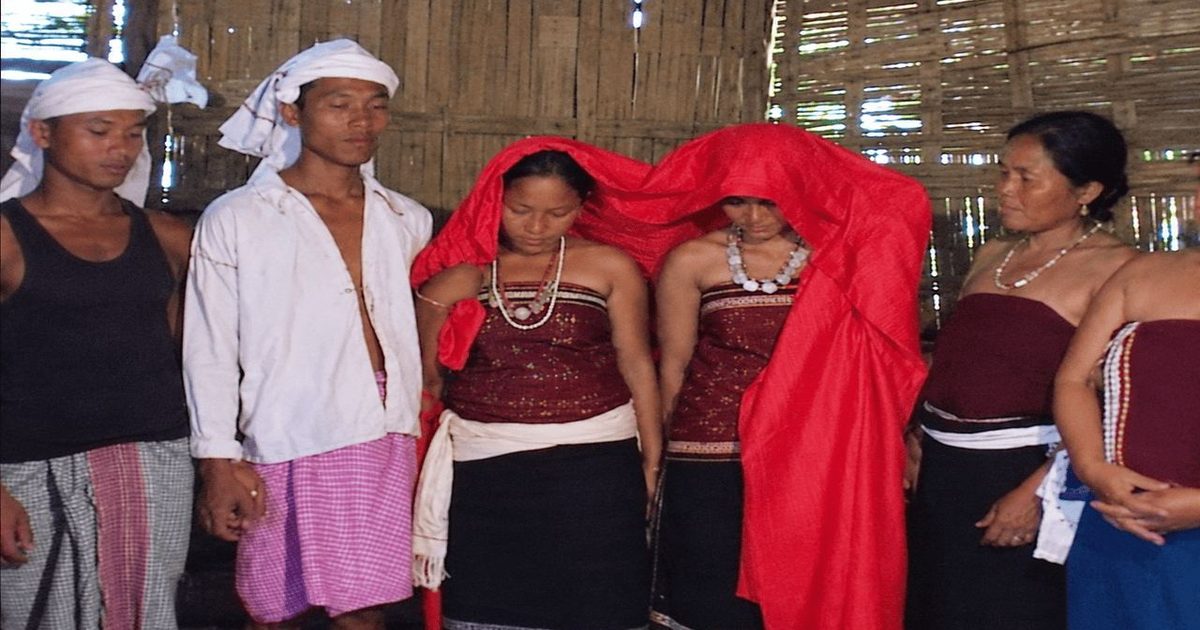
For the Chorei tribe, marriage is much more than two people saying yes to each other. In the Chorei community, it is a sacred promise, a celebration shared by the whole village, and a tradition passed down from grandparents to grandchildren. From the first quiet walk together to the elders' final blessing, every step of the Chorei marriage tradition carries a meaning that families still treasure today.
Who Marries Whom:
Chorei marriage is mostly endogamous, meaning people marry within their own social group. In other cases it is exogamous: within the tribe, but outside one's own clan. Marriage within the community is highly valued, though some Choreis have married members of other ethnic communities. Marriage between close relatives of the first and second degree is not permitted.
In Early Chorei tradition Marriage is mostly matrilocal. The young man has to live with the girl's parents during a period of service called maksa. Monogamy is the common form, although polygamy has been practised in a few exceptional cases. While men and women are treated equally in marriage matters, the girl is given greater importance.
Courtship: Choosing a Life Companion
Traditionally, courting was done quietly, often at night while the girl's family slept.
Two customs stand out:
• Kholaichei: the couple go for a walk together whenever time allows, giving them a chance to share their thoughts and understand each other.
• Lu inkhui: the boy helps the girl comb her hair, and in that gentle moment he can speak his mind and learn hers.
From Proposal to Engagement:
When both agree, the boy's guardians visit the girl's home with a proposal. This is called chong rakel zu, named after the pot of "beer of enquiry" they bring along. If both families accept, biak zu, the equivalent of today's engagement, is held with home-made rice beer.
Maksa:
Serving the Bride's Family
After the engagement, the bridegroom serves the girl's family for a period of one to seven years, as agreed. The length is usually set by the girl's father, the Tarpu (father-in-law). When the young man leaves home to begin this service, a ritual called lut zu is performed. After he completes maksa successfully, the final wedding, ruoi zu, is celebrated. (This system is rarely practiced in modern culture)
The Wedding Celebration:
The wedding is one of the most important social functions of the Chorei community. Relatives of both sides and all villagers are invited, and some society leaders must take part.
1. The bride's farewell. On the wedding night the groom's party comes to receive the moisa (bride). Before they leave, the couple and their attendants are blessed by elders seated according to social standing. The bride's brothers then say their final goodbye, called mokotkhar.
2. Reception at the uncle's house. The couple is solemnly received in the home of the bride's maternal uncle. This is known as mamapu.
3. Closing ceremony. The next day, ruaipek is held at the groom's house. The couple and their two attendants (one boy, one girl) kneel and cover their heads with a handmade cloth called ngoilenngak. The elders bless them with water (tui), rice (sisai), cotton (patphuo) and a special flower, vaisen. This blessing is called tuiabuok.
During the blessing, a traditional recitation is spoken:
"Ka chong nimak ka la nimak naruol nachim neikhel rang sarai pherzam ei sip rang tui suon koilam eiman zik rang ringtuoh nei suorang, damtuon nei suo rang chunglu vai ang ei par markhuk thunglur ei ler rang."
Its meaning: These are not my words, not my song; you will be a champion among your friends. A vast land will belong to you. Even the zig-zag stream will be straight. Have a long life, good health, for many years.
The Marriage Meal and Rice Beer
In olden days, a father-in-law might give the groom a gift of siel (buffalo or yak). Much has changed over the centuries, but one ancient custom remains largely unchanged: offering rice beer, known as zu kola.
At the wedding, the beer is shared as follows:
• Sutpui (3 pots): for the leaders of the vantang
• Pizu: for grandmothers
• Puzu: for grandfathers
• Nuzu: for mothers
• Pazu: for fathers
• Zuarpuizu: for sisters
• Nuchazu: for brothers
• Ruaizu: for the couple's attendants
• Bualdai: for the success of the function
For lut zu, the ceremony before the groom begins his service, the distribution is:
• Sutpui (3 pots): for the elders
• Maksa (2 pots): for all those present
• Moisa (1 pot): for the Tangulien as a fee
• Ukhel (1 pot): for the bride and groom, if they marry before their elder siblings
Marriage Gifts :
At the start of ruoi zu, the groom's family presents man, the bride price fixed by society, in cash and kind. This practice is called sumrakieng le puon rakieng. The garments involved, traditionally made from cotton grown in one's own field, include:
• Risa,
• Khamtaang puonbom,
• Puonsen (Salusen),
• Nu saak, Pa saak and Nucha saak,
• Nai ot lo,
Everyone attending a wedding is expected to bring a gift, in cash or kind according to their means, or at the very least to meet the couple and wish them well.
The Marriage Code:
The Choreis see marriage as a unified, unbreakable and sacred bond willed by God, so divorce is very rare. Those who separate over infidelity or another serious reason are looked down upon, and marital unfaithfulness is treated so seriously that the very thought of it discourages people. No one may divorce on a whim: if a grave obstacle makes married life impossible, the matter goes before the village elders, whose decision is final and binding.
Chorei families are nuclear in nature.
Respect is also shown through customs of avoidance:
• A woman must avoid her husband's elder brothers (Vaipa). She does not speak the names of her husband, his parents or his elder kin, and she does not use the corner of the floor where her in-laws and elder brothers-in-law sleep. With her husband's younger relatives, however, she enjoys a joking relationship.
• A man may not touch or directly contact his wife's elder sisters.
A Tradition Rooted in Respect :
From the gentle walks of kholaichei to the elders' blessing of tuiabuok, Chorei marriage weaves together love, service, family and community. Even as times change, its core values of unity, respect and shared celebration continue to define how the Choreis build a home.
Source: The Choreis Recorded & published by Fonidhor Chorei